

In many construction machinery projects, antivibration is only addressed after the main architecture has been defined. As a result, vibration solutions are often reduced to selecting individual components based on parameters such as stiffness or damping, overlooking the complex interactions that only become apparent under real operating conditions.
With Angst+Pfister as their antivibration partner, our customers benefit from:
- System-level engineering
- One global partner
- End-to-end responsibility
Backed by the global expertise, engineering know-how, and production capabilities of the entire Angst+Pfister Group, we solve complex vibration challenges, reduce development risk, and ensure reliable performance from concept through production. Talk to our experts to discover how a system-level antivibration approach improves your machine's performance and accelerates your development process.
What Would You Like to Explore?
Vibration behavior in construction machinery is determined by the interaction of excitation sources, structural properties, load paths, and operating conditions throughout the machine's duty cycle. Evaluating components in isolation cannot capture these complex interactions or predict how vibration will propagate through the system.
At Angst+Pfister, we take a system-level approach to antivibration engineering, helping customers to:
- Find the root cause of vibration, not just the symptoms.
- Optimize machine performance by considering the complete system.
- Reduce development risk with engineering expertise, simulation, testing, and validation.
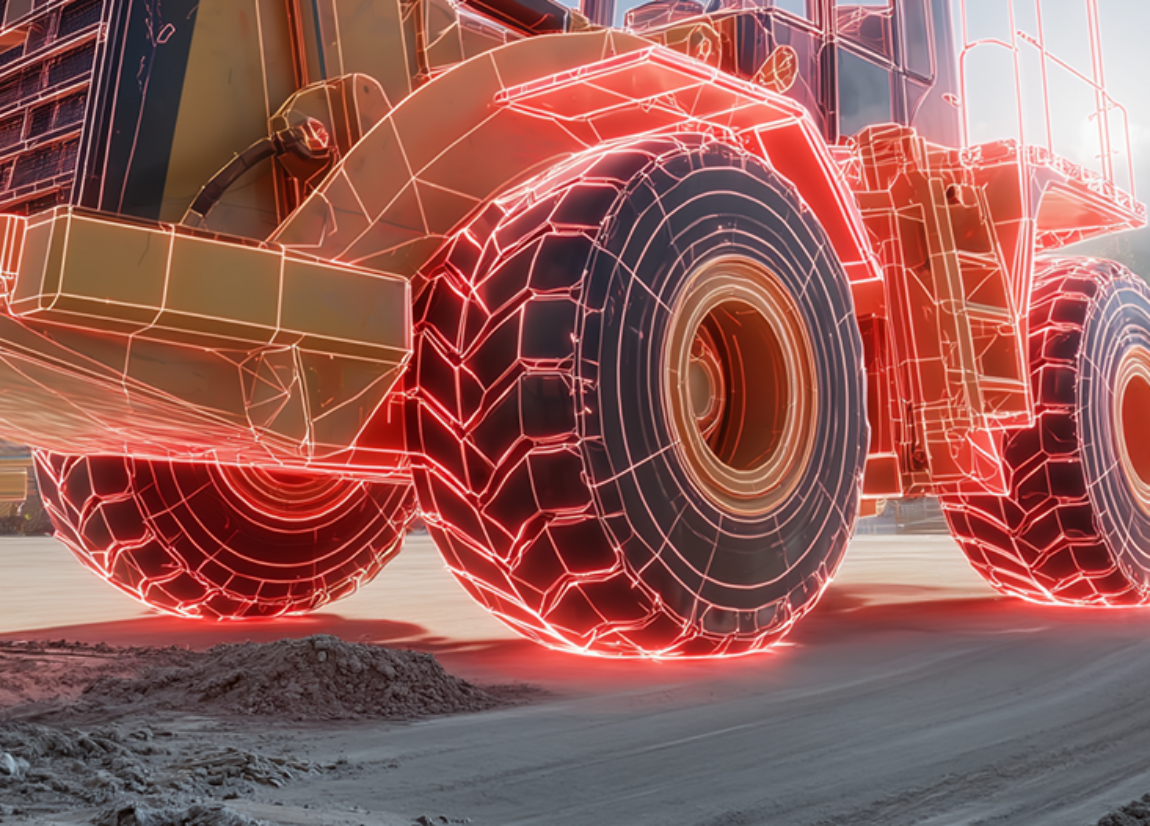
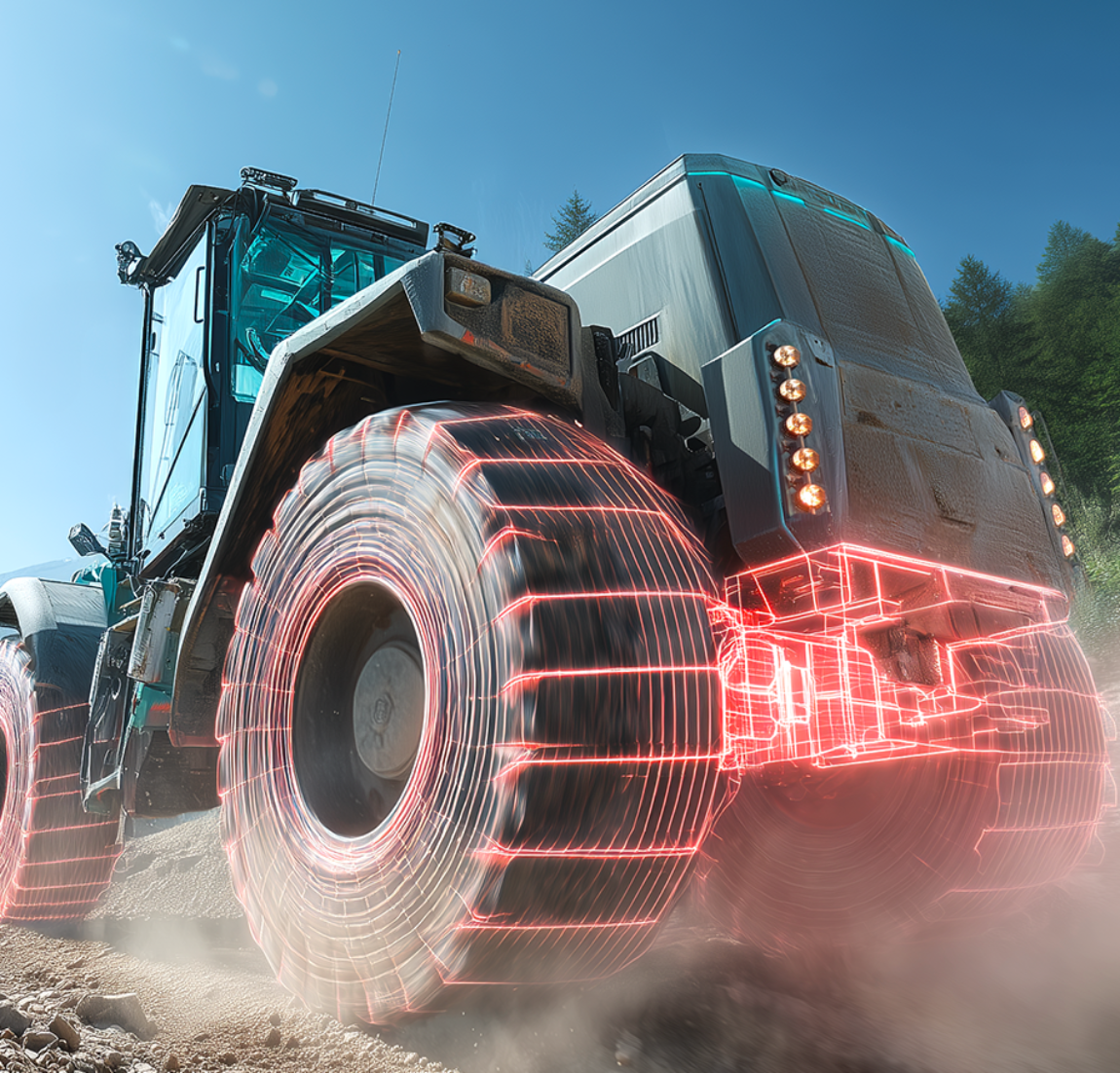
The starting point is not the component, but the dynamic behavior of the machine. By understanding how forces travel through the structure under real operating conditions, we develop vibration solutions that improve the performance of the complete system.
Our approach includes:
- Identifying vibration sources across different operating conditions.
- Analyzing how forces propagate through the machine and interact with connected subsystems.
- Validating system performance under realistic operating conditions before finalizing the solution.
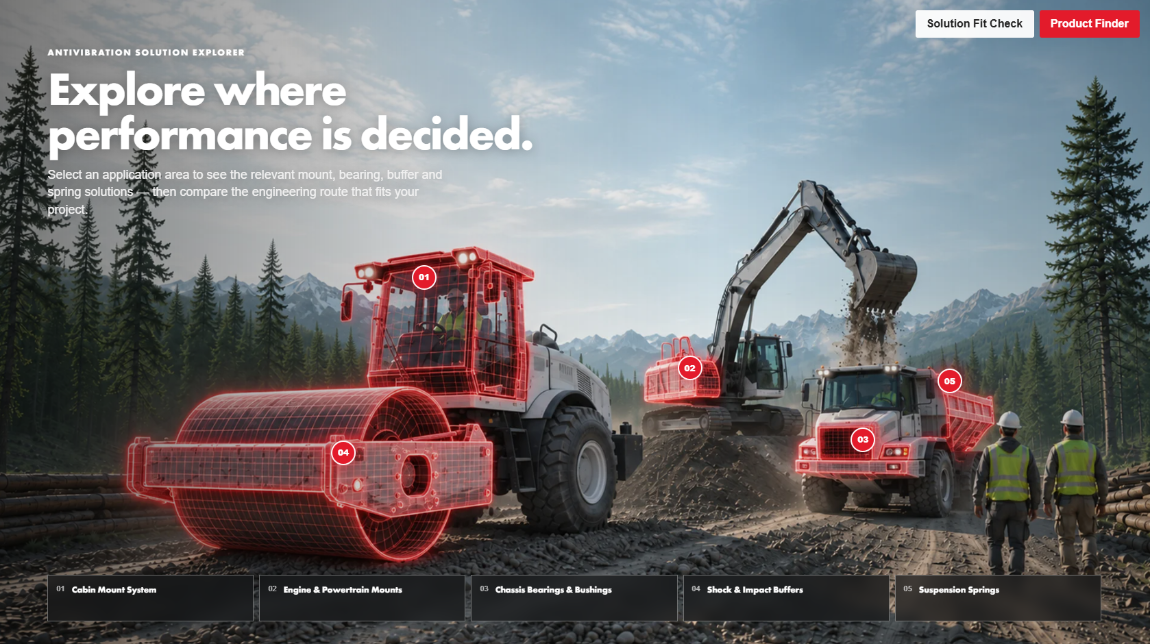
Explore Antivibration Solutions Across the Machine
Customer Insights from Real Engineering Projects

Domande frequenti (FAQ)
Perché le guarnizioni si guastano durante la pulizia CIP/SIP?
I prodotti chimici aggressivi e le alte temperature degradano molti materiali elastomerici, causando indurimento, degenerazione chimica, e perdita della forza di tenuta.
Le guarnizioni in PTFE sono adatte alle applicazioni di trasformazione alimentare?
Sì. Le guarnizioni in PTFE possono essere prodotte con materiali conformi alle norme alimentari. Di conseguenza, queste guarnizioni supportano i principi di progettazione igienica offrendo al contempo prestazioni dinamiche affidabili.
In che modo le guarnizioni in PTFE riducono l'attrito negli alberi rotanti o nei cilindri lineari?
Il PTFE ha un coefficiente di attrito intrinsecamente basso, che riduce la generazione di calore e l'usura nell'interfaccia di tenuta. Le proprietà di basso attrito del materiale di tenuta risultano particolarmente vantaggiose nelle applicazioni che prevedono l'utilizzo di fluidi con scarse proprietà tribologiche.
Qual è la differenza tra guarnizioni in PTFE con molla incapsulata e guarnizioni in PTFE con molla riempite di silicone?
I modelli riempiti di silicone impediscono l'ingresso di particelle, mentre le soluzioni con molla completamente incapsulata proteggono dall'esposizione chimica durante il CIP/SIP.
Le guarnizioni in PTFE offrono prestazioni migliori rispetto alle guarnizioni in elastomero?
In ambienti dinamici, chimicamente aggressivi o ad alta temperatura, le guarnizioni in PTFE offrono in genere una maggiore durata e prestazioni più stabili.
Related Articles and Downloads


