

In many construction machinery projects, antivibration is only addressed after the main architecture has been defined. As a result, vibration solutions are often reduced to selecting individual components based on parameters such as stiffness or damping, overlooking the complex interactions that only become apparent under real operating conditions.
With Angst+Pfister as their antivibration partner, our customers benefit from:
- System-level engineering
- One global partner
- End-to-end responsibility
Backed by the global expertise, engineering know-how, and production capabilities of the entire Angst+Pfister Group, we solve complex vibration challenges, reduce development risk, and ensure reliable performance from concept through production. Talk to our experts to discover how a system-level antivibration approach improves your machine's performance and accelerates your development process.
What Would You Like to Explore?
Vibration behavior in construction machinery is determined by the interaction of excitation sources, structural properties, load paths, and operating conditions throughout the machine's duty cycle. Evaluating components in isolation cannot capture these complex interactions or predict how vibration will propagate through the system.
At Angst+Pfister, we take a system-level approach to antivibration engineering, helping customers to:
- Find the root cause of vibration, not just the symptoms.
- Optimize machine performance by considering the complete system.
- Reduce development risk with engineering expertise, simulation, testing, and validation.
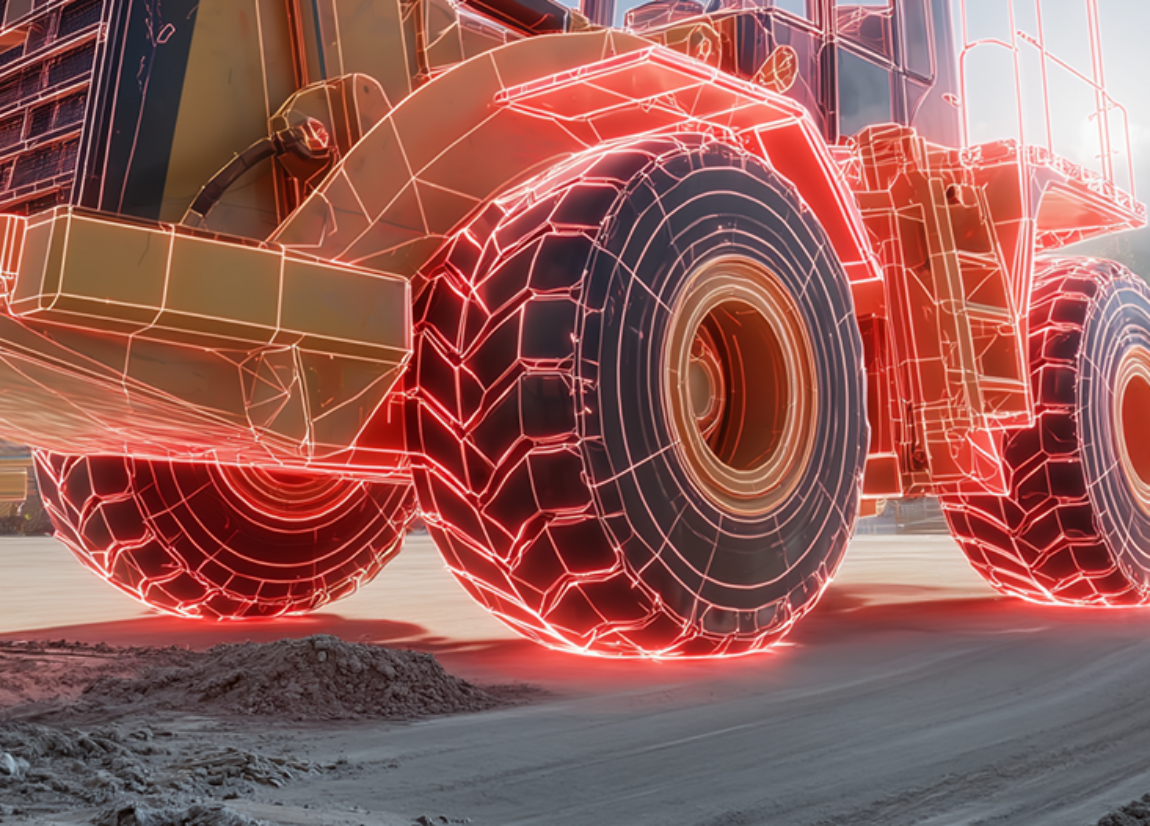
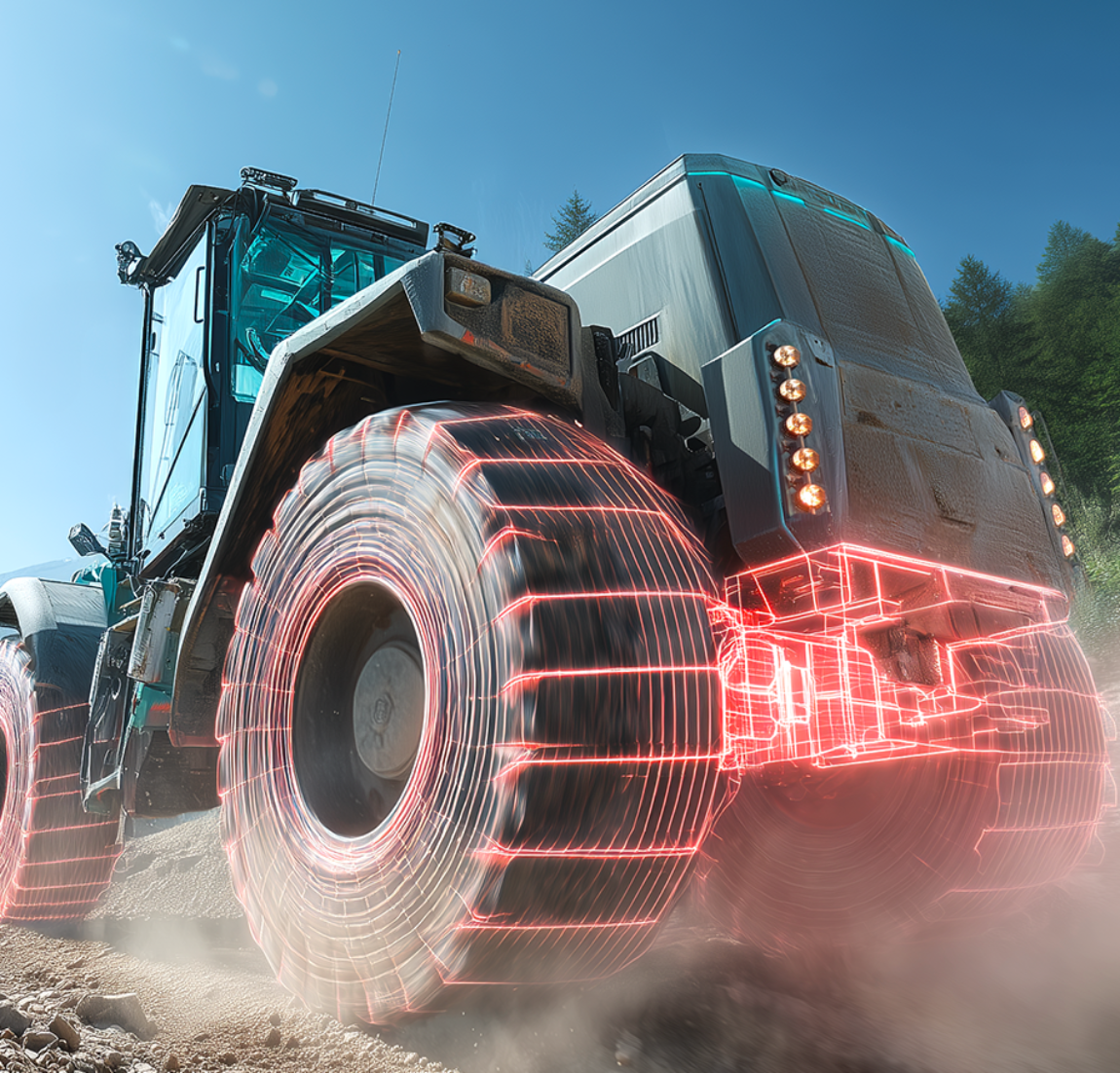
The starting point is not the component, but the dynamic behavior of the machine. By understanding how forces travel through the structure under real operating conditions, we develop vibration solutions that improve the performance of the complete system.
Our approach includes:
- Identifying vibration sources across different operating conditions.
- Analyzing how forces propagate through the machine and interact with connected subsystems.
- Validating system performance under realistic operating conditions before finalizing the solution.
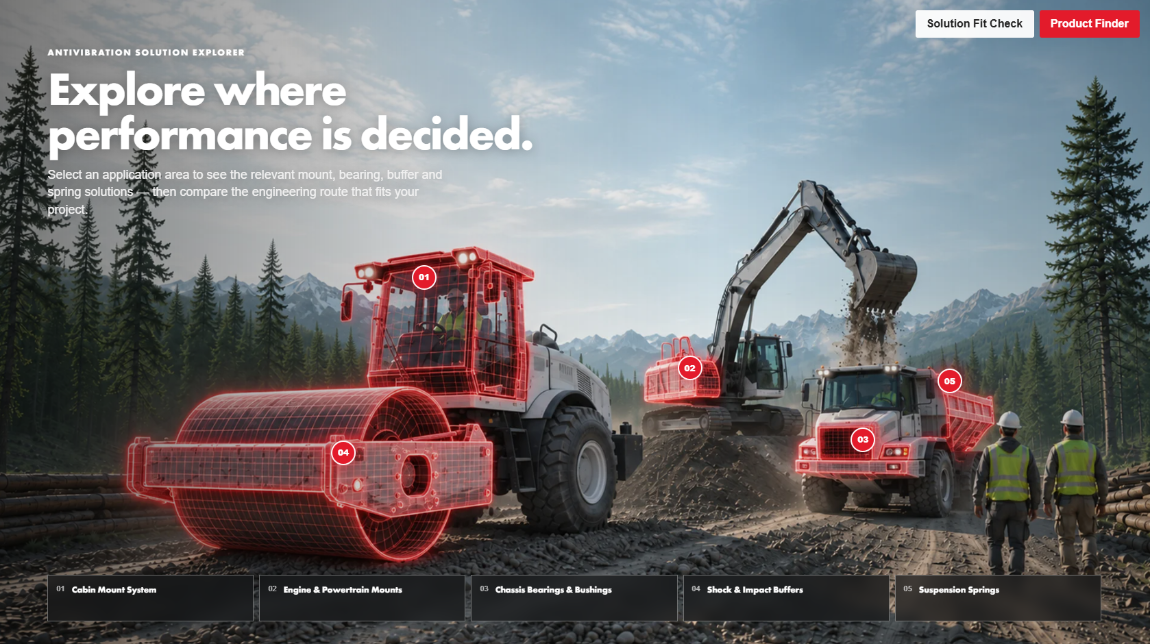
Explore Antivibration Solutions Across the Machine
Customer Insights from Real Engineering Projects

Veelgestelde vragen (FAQ)
Waarom falen afdichtingen tijdens CIP/SIP-reiniging?
Agressieve reinigingschemicaliën en hoge temperaturen tasten veel elastomeermaterialen aan, wat leidt tot verharding, chemische degeneratie, en verlies van afdichtingskracht.
Zijn PTFE-afdichtingen geschikt voor toepassingen in de voedselverwerking?
Ja. PTFE afdichtingen kunnen worden vervaardigd uit voedselveilige materialen. Daardoor voldoe deze afdichtingen aan de principes van hygiënisch ontwerp en leveren ze betrouwbare dynamische prestaties.
Hoe zorgen PTFE-afdichtingen ervoor dat de wrijving in roterende assen of lineaire cilinders wordt verminderd?
PTFE heeft een inherent lage wrijvingscoëfficiënt, waardoor warmteontwikkeling en slijtage aan het afdichtingsoppervlak worden verminderd. De lage wrijvingseigenschappen van het afdichtingsmateriaal zijn met name een voordeel bij toepassingen waarbij media met slechte tribologische eigenschappen worden gebruikt.
Wat is het verschil tussen met siliconen gevulde en ingekapselde veer-PTFE-afdichtingen?
Met siliconen gevulde ontwerpen voorkomen het binnendringen van deeltjes, terwijl volledig ingekapselde veeroplossingen bescherming biede tegen blootstelling aan chemicaliën tijdens CIP/SIP.
Presteren PTFE-afdichtingen beter dan elastomeerafdichtingen?
In dynamische, chemisch agressieve of hoge temperatuuromgevingen bieden PTFE-afdichtingen doorgaans een langere levensduur en stabielere prestaties.
Related Articles and Downloads


