

In many construction machinery projects, antivibration is only addressed after the main architecture has been defined. As a result, vibration solutions are often reduced to selecting individual components based on parameters such as stiffness or damping, overlooking the complex interactions that only become apparent under real operating conditions.
With Angst+Pfister as their antivibration partner, our customers benefit from:
- System-level engineering
- One global partner
- End-to-end responsibility
Backed by the global expertise, engineering know-how, and production capabilities of the entire Angst+Pfister Group, we solve complex vibration challenges, reduce development risk, and ensure reliable performance from concept through production. Talk to our experts to discover how a system-level antivibration approach improves your machine's performance and accelerates your development process.
What Would You Like to Explore?
Vibration behavior in construction machinery is determined by the interaction of excitation sources, structural properties, load paths, and operating conditions throughout the machine's duty cycle. Evaluating components in isolation cannot capture these complex interactions or predict how vibration will propagate through the system.
At Angst+Pfister, we take a system-level approach to antivibration engineering, helping customers to:
- Find the root cause of vibration, not just the symptoms.
- Optimize machine performance by considering the complete system.
- Reduce development risk with engineering expertise, simulation, testing, and validation.
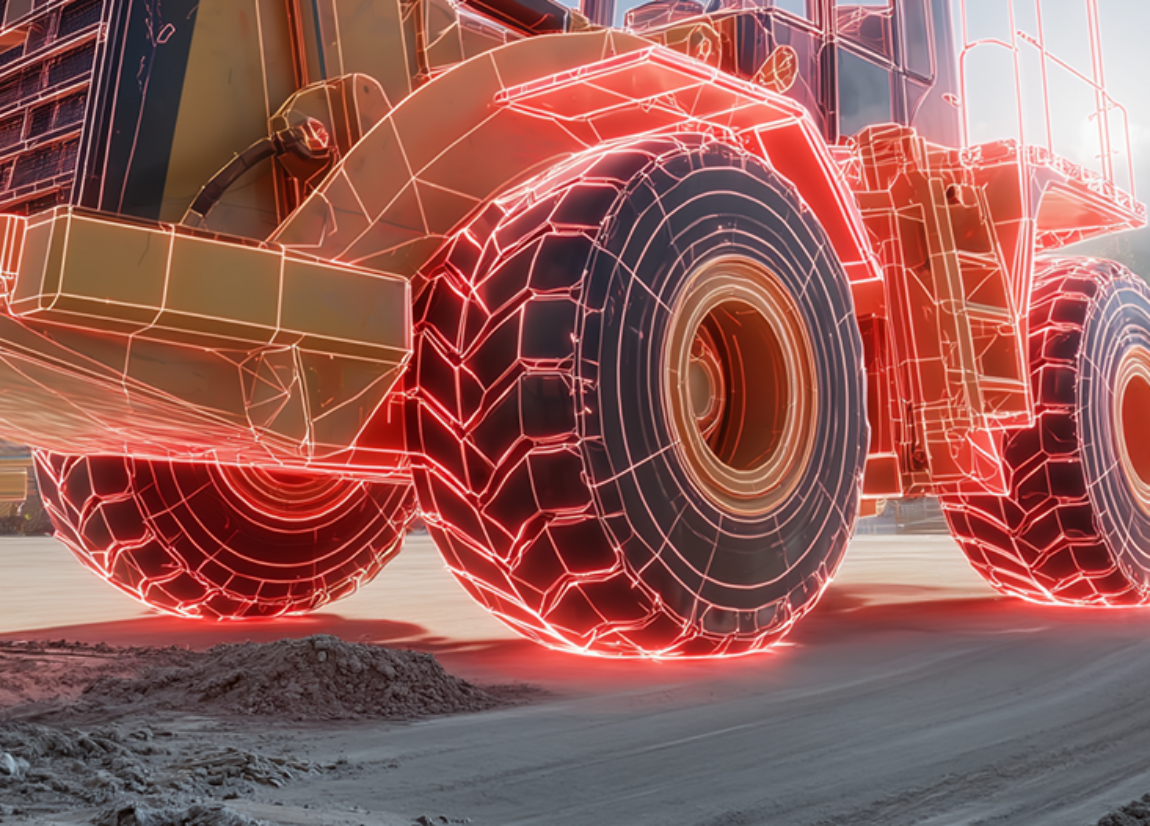
The starting point is not the component, but the dynamic behavior of the machine. By understanding how forces travel through the structure under real operating conditions, we develop vibration solutions that improve the performance of the complete system.
Our approach includes:
- Identifying vibration sources across different operating conditions.
- Analyzing how forces propagate through the machine and interact with connected subsystems.
- Validating system performance under realistic operating conditions before finalizing the solution.

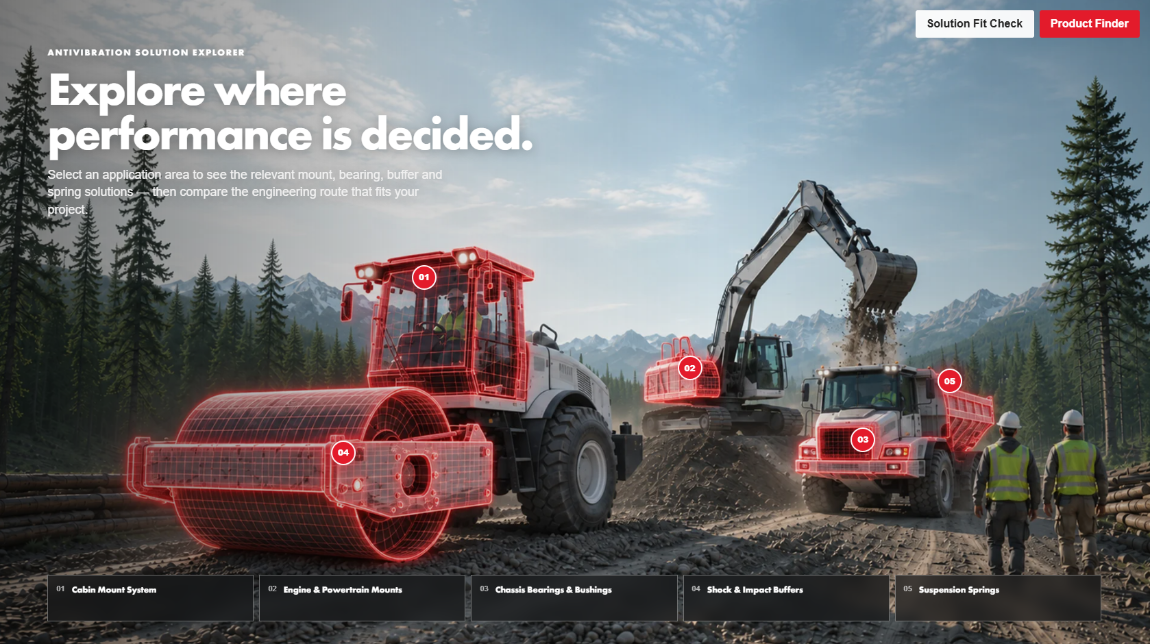
Explore Antivibration Solutions Across the Machine
Customer Insights from Real Engineering Projects

Sıkça Sorulan Sorular (SSS)
CIP/SIP temizliği sırasında contalar neden arızalanır?
Aşındırıcı temizlik kimyasalları ve yüksek sıcaklıklar birçok elastomer malzemenin bozulmasına neden olarak sertleşmeye, kimyasal bozulmaya ve sızdırmazlık gücünün azalmasına yol açar.
PTFE contalar gıda işleme uygulamaları için uygun mu?
Evet. PTFE contalar gıda ile uyumlu malzemelerden üretilebilir. Sonuç olarak, bu contalar hijyenik tasarım ilkelerini desteklerken güvenilir dinamik performans sağlar.
PTFE contalar, dönen şaftlarda veya doğrusal silindirlerde sürtünmeyi nasıl azaltır?
PTFE, doğası gereği düşük sürtünme katsayısına sahiptir, bu da sızdırmazlık arayüzünde ısı oluşumunu ve aşınmayı azaltır. Sızdırmazlık malzemesinin düşük sürtünme özellikleri, tribolojik özellikleri zayıf ortamların kullanıldığı uygulamalarda özellikle avantajlıdır.
Silikon dolgulu ve kapsüllenmiş yaylı PTFE contalar arasındaki fark nedir?
Silikon dolgulu tasarımlar parçacık girişini önlerken, tamamen kapsüllenmiş yaylı çözümler CIP/SIP sırasında kimyasal maruziyete karşı koruma sağlar.
PTFE contalar elastomer contalardan daha iyi performans gösterir mi?
Dinamik, kimyasal olarak agresif veya yüksek sıcaklıklı ortamlarda, PTFE contalar genellikle daha uzun hizmet ömrü ve daha istikrarlı performans sağlar.
Related Articles and Downloads


