

Share now!


Authors: Peter Schäfer and Lorena Casasola | October 2026 | Article
Key Facts at a Glance
Zorluk: Zor Koşullar, Yüksek Riskler
Performansın kritik olduğu sektörlerde, küçük bir sızıntı bile üretimin durmasına, yasal ihlallere veya maliyetli kontaminasyona yol açabilir. Bu risklere rağmen, yüksek stresli ortamlarda hâlâ standart elastomerler kullanılmakta ve bu da sistem performansı ile yasal uygunluğu tehlikeye atmaktadır.
- Bu ortamlarda karşılaşılan tipik zorluklar:
- Sızdırmazlık elemanlarını erken bozan agresif kimyasallar
- 250 °C üzerindeki aşırı sıcaklıklar
- Buhar, plazma veya çözücü bazlı sık temizlik döngüleri
- Gaz salımına sıfır toleransla vakum ve temiz oda gereksinimleri
- Basınç dalgalanmaları, asidik gazlar veya HPHT koşullarından kaynaklanan mekanik stres
Sonuç? Sık sızdırmazlık arızaları, plansız duruşlar, yasal riskler ve artan işletme maliyetleri.

When selecting sealing materials for hydrogen, theoretical material data alone are not sufficient. What matters is how a specific material behaves under defined real life conditions with hydrogen. Empirical test data provide the basis for validated elastomer seals for hydrogen.
Angst+Pfister continuously expands this data basis with tests under real-world conditions in hydrogen applications. The results make it possible to select materials more specifically for the respective operating conditions and to design sealing solutions accordingly.
The Challenge: Rapid Hydrogen Diffusion and High Pressures
Due to its very small molecules, molecular hydrogen moves rapidly through elastomers. Its solubility in the material is low: The gas hardly remains in the elastomer but instead diffuses rapidly through it. The extent to which hydrogen permeates a sealing material depends on the polymer, the specific material formulation, temperature and pressure.
The requirements placed on sealing systems are correspondingly high. Hydrogen forms ignitable mixtures with air at concentrations of around 4 to 75 percent by volume. With an ignition energy of approximately 0.02 millijoules, even a small spark can provide sufficient energy for ignition. At the same time, operating conditions can be extreme: Hydrogen applications range from temperatures of around –240 to +200 degrees Celsius and pressures of up to 1000 bar.
High pressures pose another risk: During Rapid Gas Decompression (RGD), gas dissolved in the elastomer can rapidly expand during depressurisation, causing blisters, cracks or cavities in the material. In addition to low permeation, sealing systems must therefore be designed for the respective operating conditions.
The Solution: Empirical Testing Provides Reliable Data
Angst+Pfister tests elastomers under defined hydrogen conditions. Permeation and leakage tests with 90-Shore-A materials, for example, were conducted at 100 degrees Celsius and 150 bar in 100 percent hydrogen. Rapid gas decompression tests and ageing tests lasting up to 28 days provide additional data for material selection.
For softer materials with 70 to 75 Shore A, permeation tests according to ISO 15105-1 in accordance with the test programme of the German Technical and Scientific Association for Gas and Water (DVGW) expand the data basis for applications with moderate pressures. These tests are also conducted with 100 percent hydrogen.
For high-pressure seals, Finite Element Analysis (FEA) complements the empirical tests. Angst+Pfister uses it to simulate the behaviour of sealing systems under the respective operating conditions. This makes it possible, for example, to analyse stress distribution and sealing force and to coordinate seal geometry, material and support elements.
Results and Material Selection: The Specific Compound is what Matters
Permeation tests provide a broad data basis for material selection. Angst+Pfister has already tested harder elastomers with 90 Shore A. New DVGW permeation tests expand the data basis particularly for softer elastomers with 70 to 75 Shore A and applications with moderate pressures. Six compounds made of FKM, HNBR, NBR and EPDM were tested at 23 degrees Celsius and 1 bar in 100 percent hydrogen. There was a difference of more than a factor of six between the lowest and highest permeation values. The results confirm that the polymer type and specific material formulation have a significant influence on permeation.
Permeability of Elastomers in Hydrogen
| Compound | Hardness (Shore A) | Permeability* |
|---|---|---|
| FKM HITEC | 75 | 164 |
| HNBR | 70 | 360 |
| PERTEC® CIP FKM | 75 | 489 |
| HNBR | 70 | 582 |
| NBR | 70 | 638 |
| EPDM DW | 70 | 1'049 |
* Permeability unit (cm³ × mm) / (m² × 24 h × bar)
Test method ISO 15105-1 in accordance with DVGW CERT ZP 5101:2021
Test conditions 23 °C, 1 bar, 100% H₂
Test specimens 2 mm thick sheets
Ageing in 100% Hydrogen – Change in Key Material Properties After 28 Days
More recent ageing tests in 100 percent hydrogen provide additional findings. For five investigated compounds in the 90-Shore-A hardness range, changes in hardness, volume, modulus, tensile strength and elongation at break were evaluated after up to 28 days. At 136 and 151 degrees Celsius, no significant effects were observed. At 151 degrees Celsius, one HNBR compound showed slightly greater changes in mechanical properties, as expected because this temperature is at the upper operating-temperature limit for this polymer family.
Mostly no significant changes; stronger changes in individual tensile values for HNBR 90 Shore A-2.
Materials for Hydrogen Sealing Systems
For material selection, Angst+Pfister relies on validated materials or tests them for the specific application. Hydrogen is the central criterion. The operating conditions such as temperature, pressure and seal design are also decisive. In electrolysers, for example, seals also come into contact with oxygen or other media.
For gaseous hydrogen, tested elastomers from FKM, HNBR and EPDM polymer families, among others, are available. The state of aggregation makes a significant difference: With liquid hydrogen, temperatures reach around -250 degrees Celsius. PTFE compounds are used for these applications and require special sealing concepts to accommodate their particular mechanical properties and the broad temperature range.
| Material | Temperature range | Pressure range |
|---|---|---|
| FKM | -25 to +200 °C Special compounds down to -60 °C |
30 MPa with backup ring up to 95 MPa |
| HNBR | -50 to +165 °C | 30 MPa with backup ring up to 95 MPa |
| EPDM | -50 to +150 °C Special compounds down to -60 °C |
30 MPa with backup ring up to 95 MPa |
| NBR | -50 to +110 °C | 30 MPa with backup ring up to 95 MPa |
| TPU | -55 to +100 °C Special compounds up to +125 °C |
50 MPa with backup ring up to 70 MPa |
| Modified PTFE e.g. Kelfoy 121 |
-200 to +260 °C | 50 MPa with backup ring up to 100 MPa |
| PEEK | -65 to +240 °C | 100 MPa |
Use Cases: From High-Pressure Storage to Connection Systems
Real application examples from Angst+Pfister demonstrate how material and engineering expertise are turned into concrete solutions.
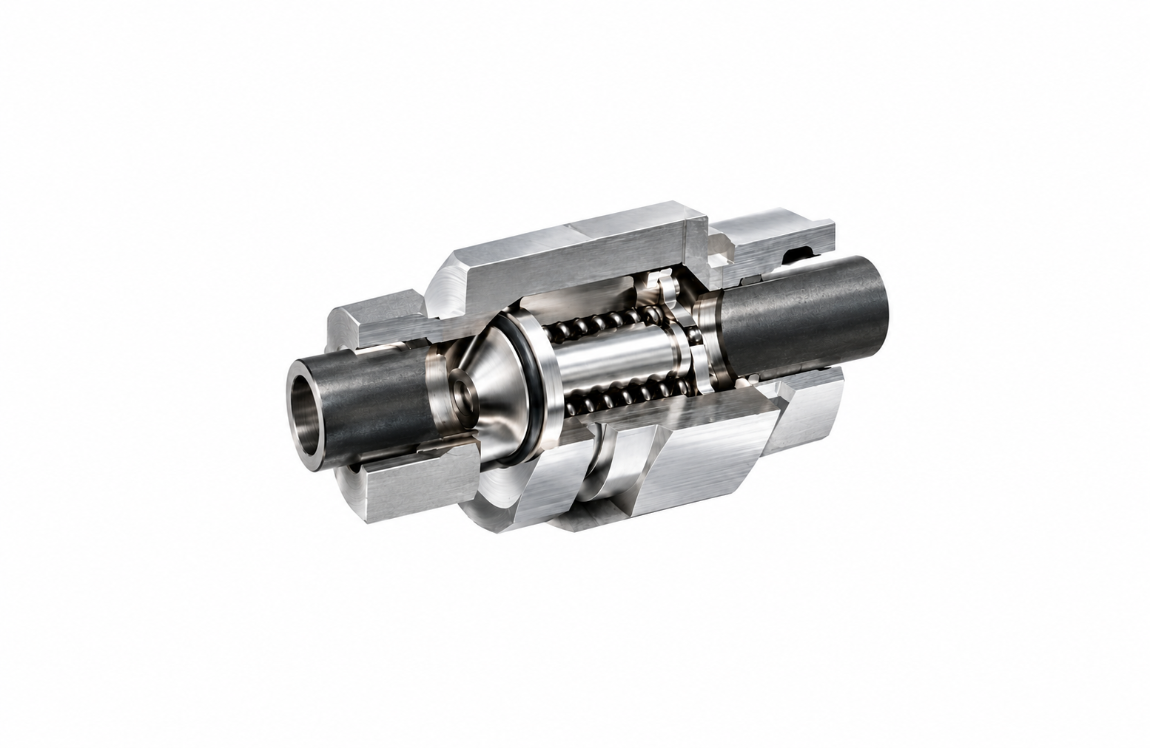
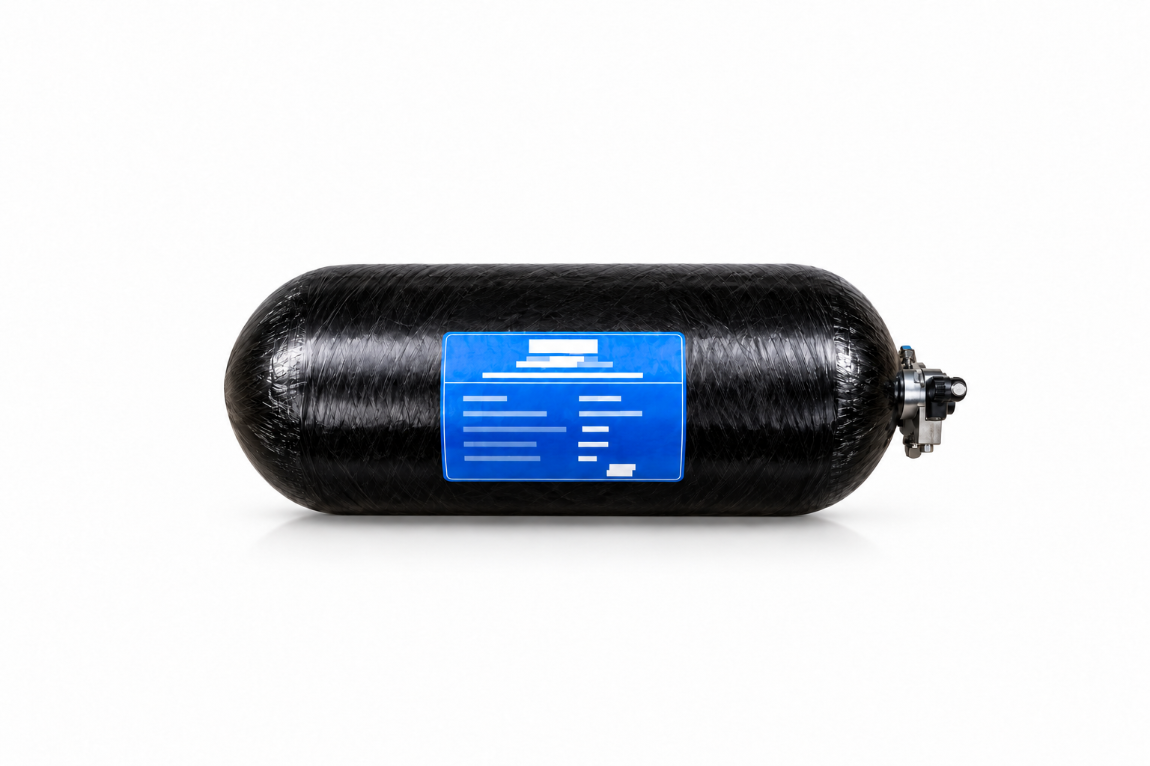
Valves and Pressure Relief Valves for Hydrogen Storage Systems
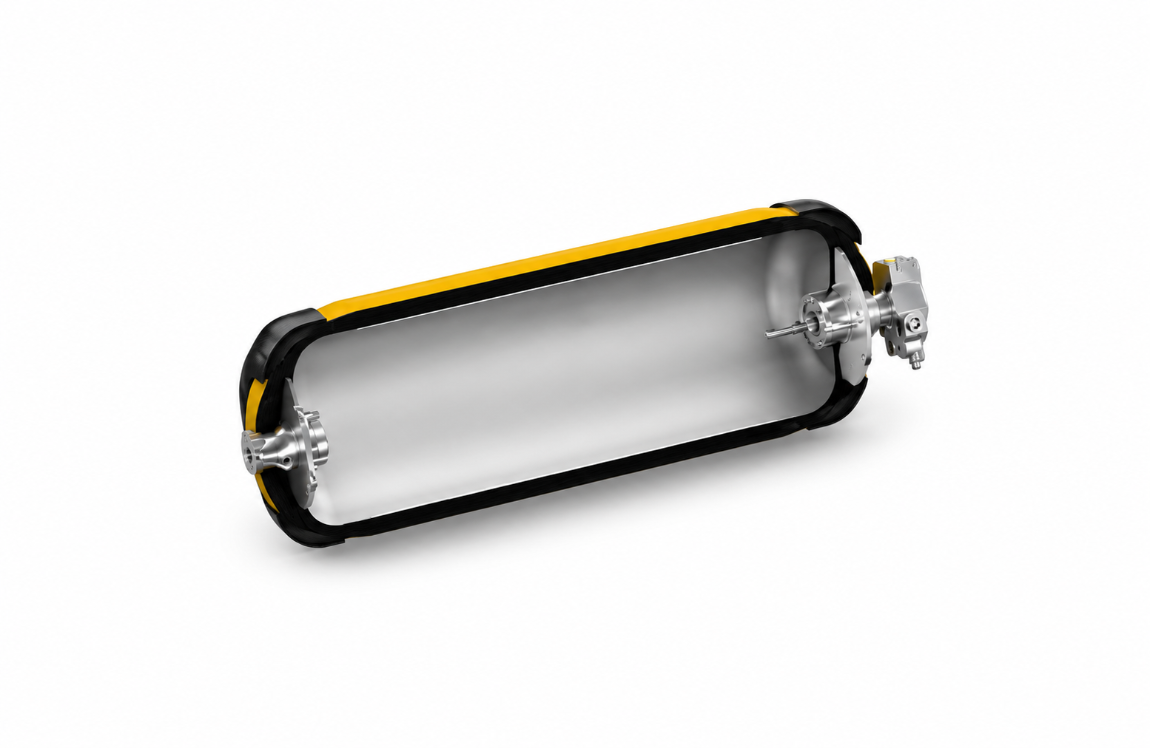
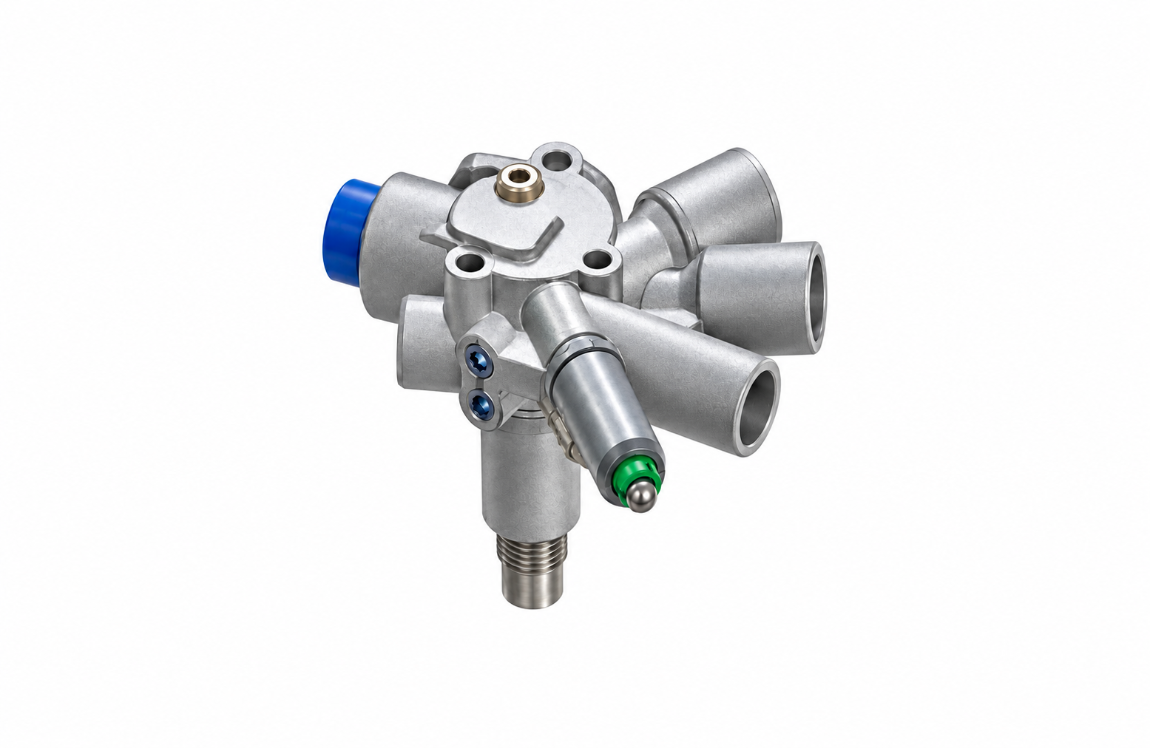
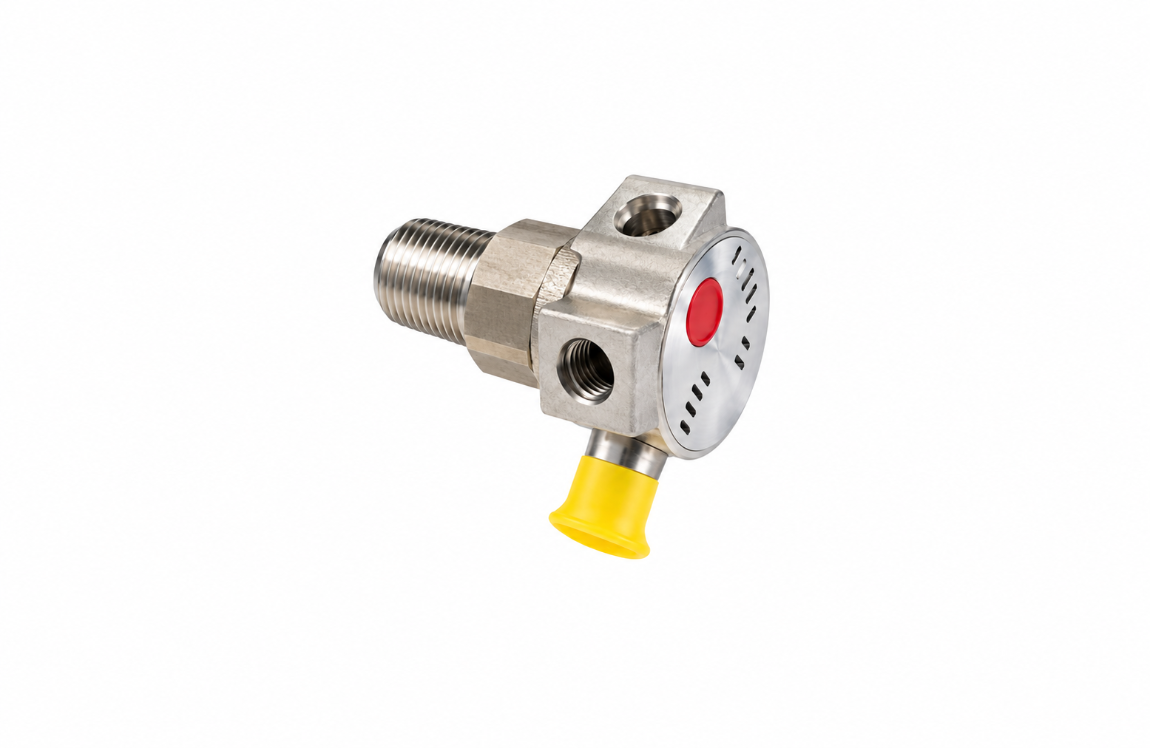
Angst+Pfister has extensive experience with sealing solutions for high-pressure valves in hydrogen storage systems. These include combination valves and thermally activated pressure relief valves for 700 bar storage systems. Depending on function and load, different sealing concepts are used: For static applications, for example, elastomers such as HNBR, FKM, EPDM or NBR; for dynamic applications, among others, reinforced and spring-energised PTFE seals. The documented applications cover pressures from 700 to 900 bar and temperatures from –40 to +120 degrees Celsius.
Combination valves and thermally activated pressure relief valves are used in 700 bar hydrogen storage systems.
The sealing concept depends on function and load. Static positions may use selected elastomers; dynamic positions may use reinforced or spring-energised PTFE seals.
Piping and Connecting Systems
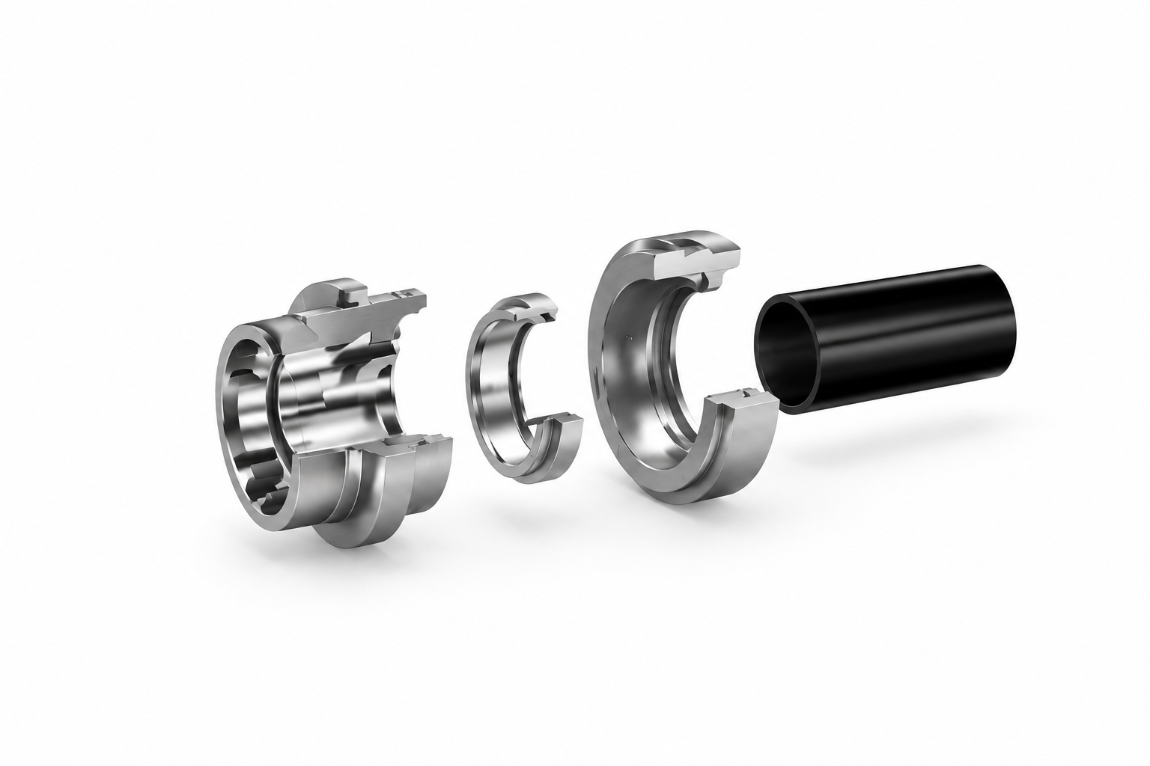
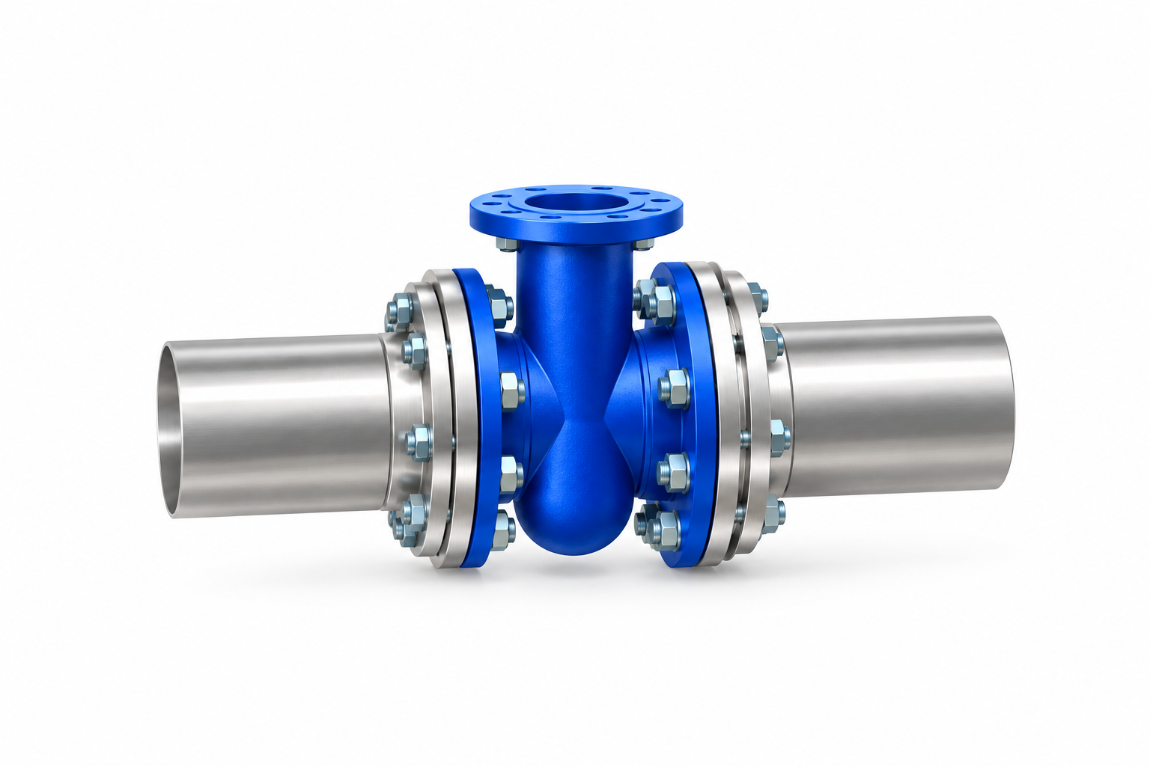
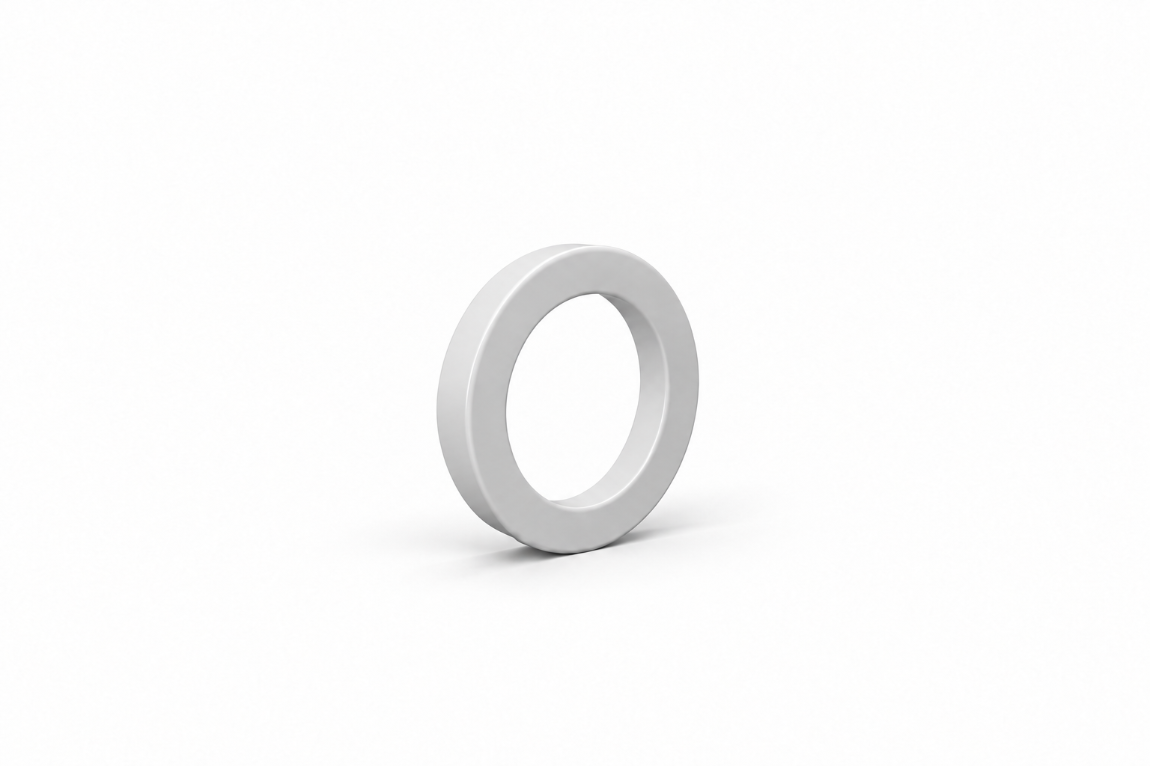
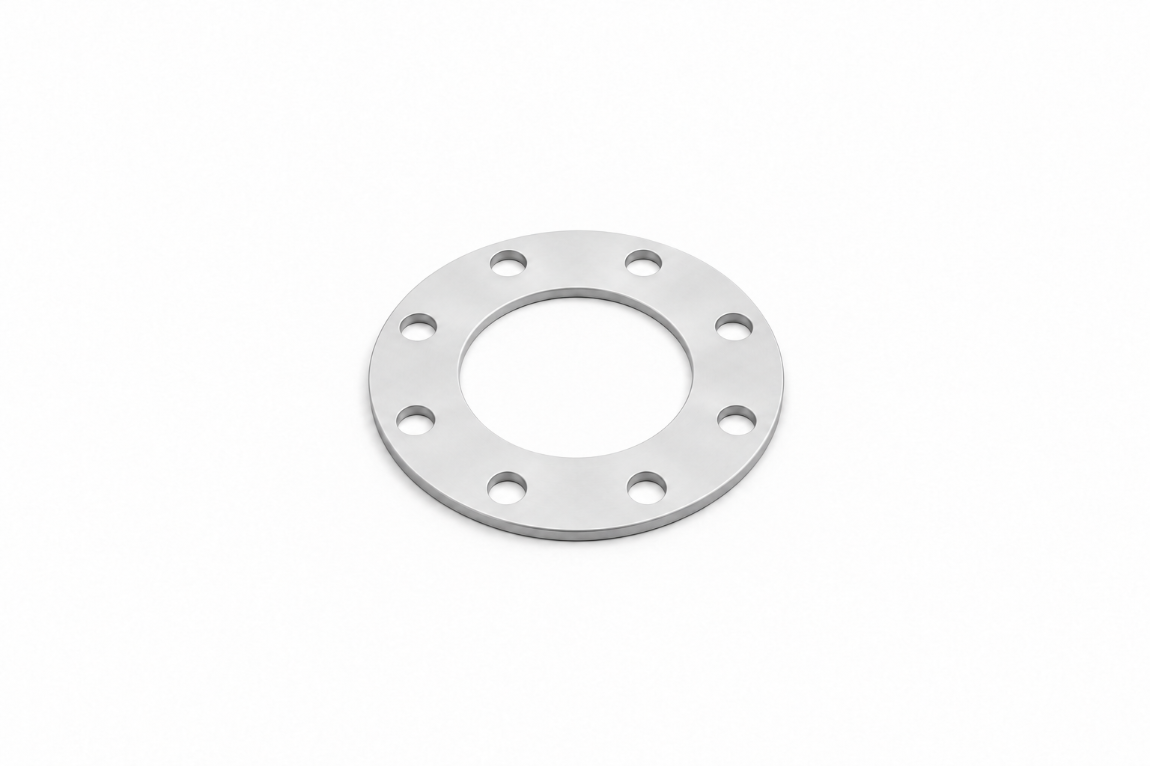
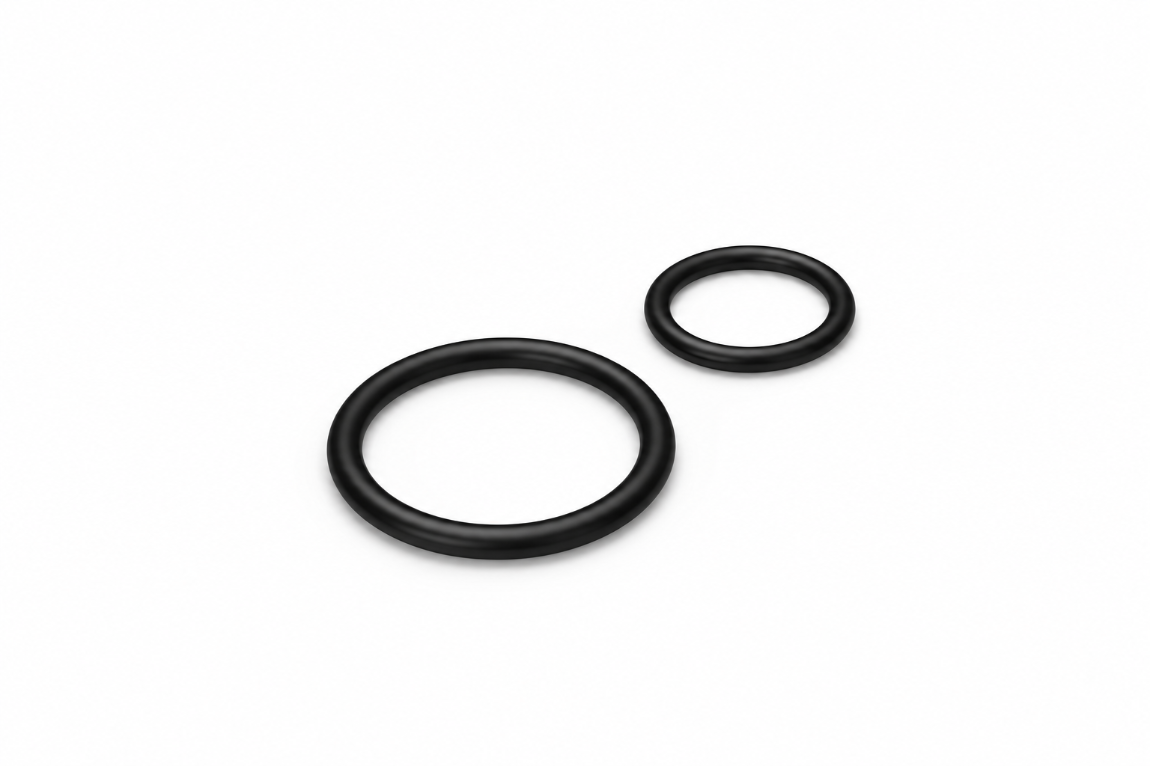
Pipe and connection systems: Angst+Pfister offers various solutions for pipe fittings, flanges and quick couplings. The spectrum ranges from atmospheric pressure to 900 bar and from cryogenic –250 degrees Celsius. Elastomers and TPU, among others, are used for pipe fittings and quick couplings, while modified PTFE is used for flat gaskets with cryogenic hydrogen. Back-up rings can be made of PTFE or PEEK.
- Threaded pipe connections
- Flanges
- Quick couplings
atm · 350 · 700 · 900 bar
-250 °C (LH₂) to +120 °C
Threaded pipe connections and quick couplings:
HNBR, FKM, EPDM, NBR, TPU
Flat gaskets for cryogenic (LH₂) applications:
Modified PTFE
Backup rings:
PTFE or PEEK
MUPU® Seal* for High Pressure Hydrogen Storage
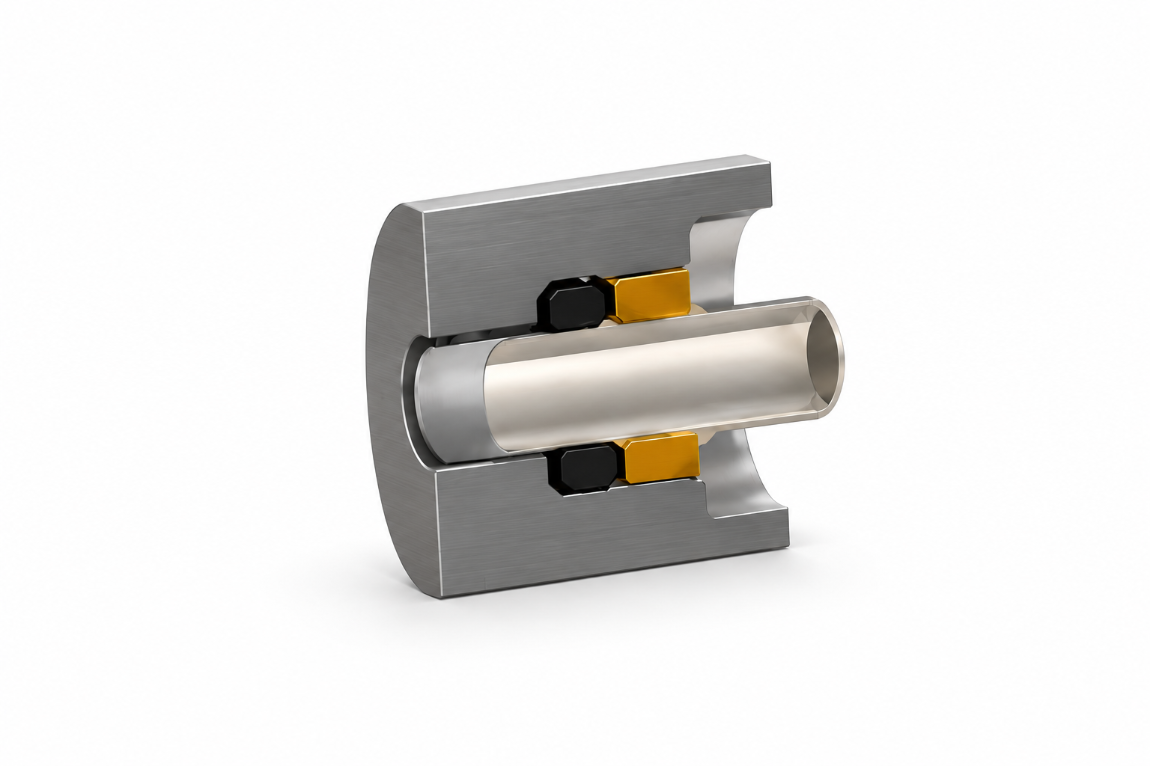
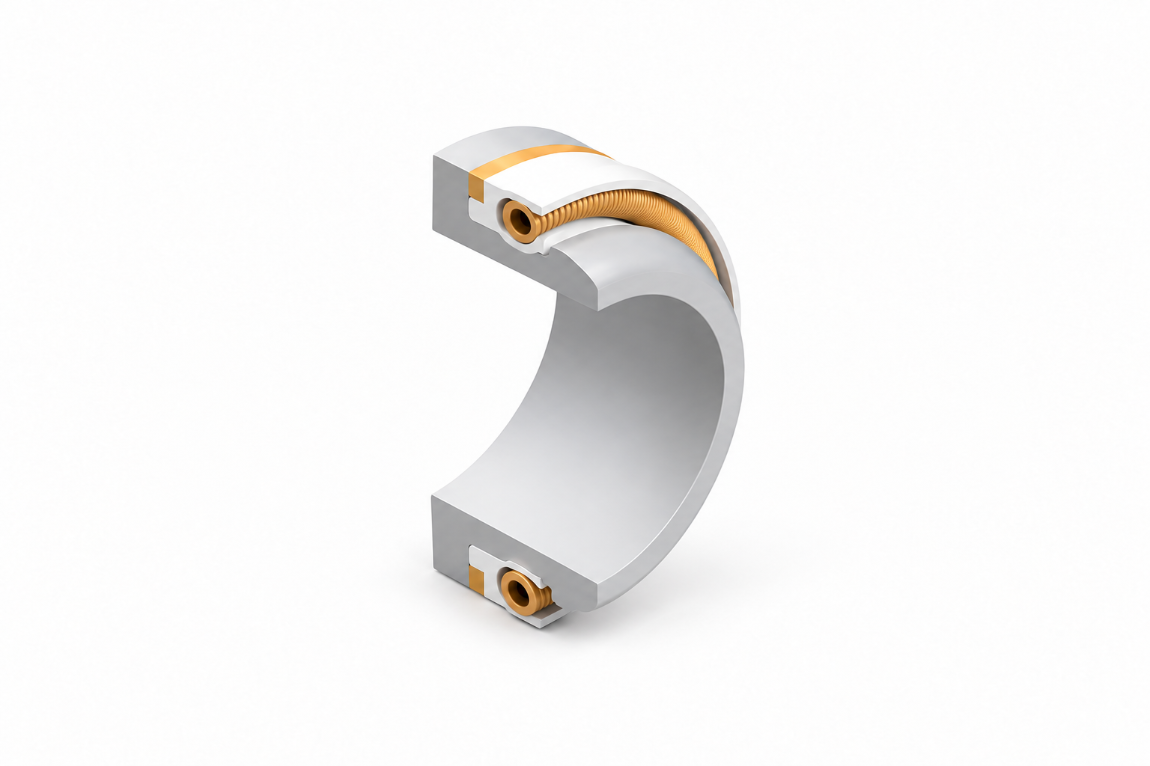
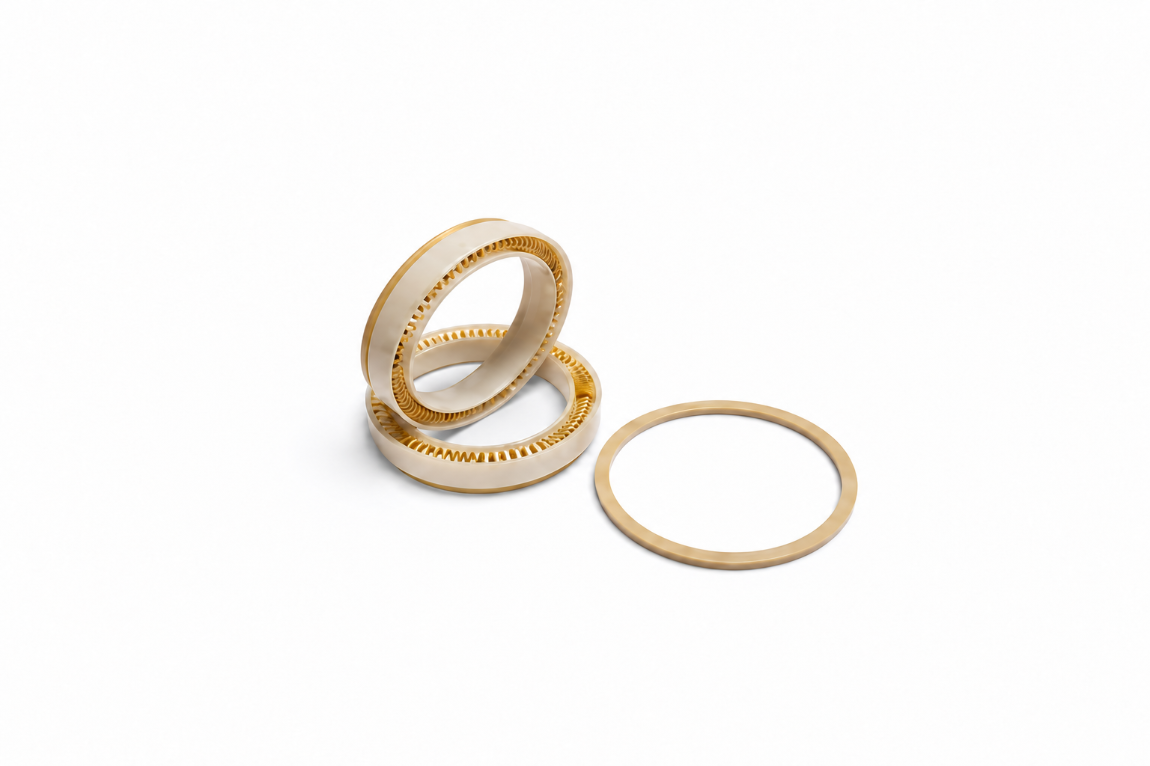
For highly demanding storage applications, Angst+Pfister developed the Mupu® Seal solution made from the special PTFE compound Kefloy® 121, a PEEK spring element and a corner back-up ring against extrusion. The design does not use metallic or elastomeric sealing elements: This eliminates hydrogen embrittlement of metallic sealing elements and rapid gas decompression of elastomers. With water, the solution completed 100’000 pressure cycles from 30 to 1000 and back to 30 bar. In the hydrogen test, this was followed by 60’000 cycles from over 950 to 500 and back to over 950 bar.
*Mupu® is a brand name of OL Seals A/S – Member of the Angst+Pfister Group
Sealing solution for demanding hydrogen storage applications.
Pressure: 1,000 bar
Temperature: -15 °C to +50 °C
- Kefloy® 121 = modified PTFE of O.L.-Seals A/S (Member of the Angst+Pfister Group)
- PEEK spring element
- Corner support ring against extrusion
- No metallic sealing elements
- No elastomeric sealing elements
- No elastomeric sealing components
Water:
100,000 cycles
30 → 1,000 → 30 bar
Hydrogen:
60,000 cycles
>950 → 500 → >950 bar
Conclusion
It is not the material alone that is critical, but its interaction with seal design and operating conditions. Material selection for hydrogen applications should be based on reliable test data. Angst+Pfister’s investigations provide a growing data basis for this under defined hydrogen conditions.
More recent ageing tests in 100 percent hydrogen show minor changes in the material properties of the materials investigated. New DVGW permeation tests with softer elastomers of 70 to 75 Shore A expand the data basis and confirm that permeation is influenced not only by the polymer type, but also by the respective material formulation.
For Angst+Pfister, this forms the basis for selecting suitable existing materials and developing application-specific sealing solutions in collaboration with customers.
Frequently Asked Questions
How does hydrogen permeation in elastomer seals fundamentally differ from other gas leakage?
Hydrogen permeation in elastomer seals is determined primarily by rapid diffusion. Due to its small molecular size, hydrogen moves easily through the free volume between the polymer chains in the rubber matrix. Instead of accumulating inside the elastomer, hydrogen (H₂) diffuses through the seal body at significantly higher rates than larger molecules such as nitrogen or methane. To minimise permeation, compounds with a high crosslink density, special fillers and tight molecular structures are required to inhibit gas transport under dynamic and static pressures.
Can 70-ShA elastomers be used safely in hydrogen applications, or are 90-ShA compounds mandatory?
While 90-ShA compounds (Shore A) are traditionally specified for extreme high-pressure applications (700–1000 bar) to ensure high extrusion resistance, more recent empirical DVGW permeation tests confirm that specially formulated 70-ShA elastomers provide a high level of operational safety in low- to moderate-pressure hydrogen systems. Softer 70-ShA seals offer excellent conformability, lower required contact forces in the installation space and improved sealing on irregular sealing surfaces. Following validation through standardised DVGW permeation tests, these softer compounds show stable permeation rates and excellent elastic recovery without compromising system integrity.
Why are 100 percent hydrogen ageing tests necessary when theoretical material data are already available?
Theoretical material data and standard air or nitrogen heat-ageing tests do not take into account the unique chemical and physical interaction between pure hydrogen and elastomer matrices under pressure and temperature. Long-term ageing tests in an autoclave in a 100-percent H₂ atmosphere investigate how prolonged contact with hydrogen affects material properties such as hardness, volume, modulus, tensile strength and elongation at break. Empirical exposure tests show how material properties change over extended periods under defined hydrogen conditions, thereby providing engineers with validated data instead of purely theoretical assumptions.
How do PTFE seals such as Mupu®Seal address the risks of high-pressure hydrogen leakage and rapid gas decompression?
Mupu®Seal was developed for demanding high-pressure applications and combines the special PTFE compound Kefloy® 121 with a PEEK spring element and a corner back-up ring against extrusion. The design does not use metallic or elastomeric sealing elements. This eliminates hydrogen embrittlement of metallic sealing elements and rapid gas decompression of elastomers. With water, the solution completed 100’000 pressure cycles from 30 to 1000 and back to 30 bar. In the hydrogen test, this was followed by 60’000 cycles from over 950 to 500 and back to over 950 bar.
How can material validation for hydrogen seals be transferred to CO₂ and CCUS applications?
Hydrogen (H₂) and carbon dioxide (CO₂) pose different challenges for sealing systems. Hydrogen is characterised by high diffusion and permeation rates, while CO₂ it dissolves in the polymer (unlike H₂) , causing swelling and making resistance to Rapid Gas Decompression (RGD) particularly important. Experience with materials, test methods and seal design from hydrogen applications can therefore be used to develop solutions for CO₂ and CCUS. However, the suitability of a material must also be tested for the respective medium and specific operating conditions.
Related Articles and Downloads

About the Authors
Peter Schäfer is Senior Engineering Leader and Lorena Casasola Material Engineer at Angst+Pfister. Their focus is on the development and validation of sealing solutions and materials for demanding applications, particularly in the field of hydrogen.
Get connected!
Let’s talk about your challenges and how Angst+Pfister can support you.
Your one-stop shop for industrial components
Dive into the extensive range of standard applications in the online shop of APSOparts with great benefits for efficient order processes!