

In many construction machinery projects, antivibration is only addressed after the main architecture has been defined. As a result, vibration solutions are often reduced to selecting individual components based on parameters such as stiffness or damping, overlooking the complex interactions that only become apparent under real operating conditions.
With Angst+Pfister as their antivibration partner, our customers benefit from:
- System-level engineering
- One global partner
- End-to-end responsibility
Backed by the global expertise, engineering know-how, and production capabilities of the entire Angst+Pfister Group, we solve complex vibration challenges, reduce development risk, and ensure reliable performance from concept through production. Talk to our experts to discover how a system-level antivibration approach improves your machine's performance and accelerates your development process.
What Would You Like to Explore?
Vibration behavior in construction machinery is determined by the interaction of excitation sources, structural properties, load paths, and operating conditions throughout the machine's duty cycle. Evaluating components in isolation cannot capture these complex interactions or predict how vibration will propagate through the system.
At Angst+Pfister, we take a system-level approach to antivibration engineering, helping customers to:
- Find the root cause of vibration, not just the symptoms.
- Optimize machine performance by considering the complete system.
- Reduce development risk with engineering expertise, simulation, testing, and validation.
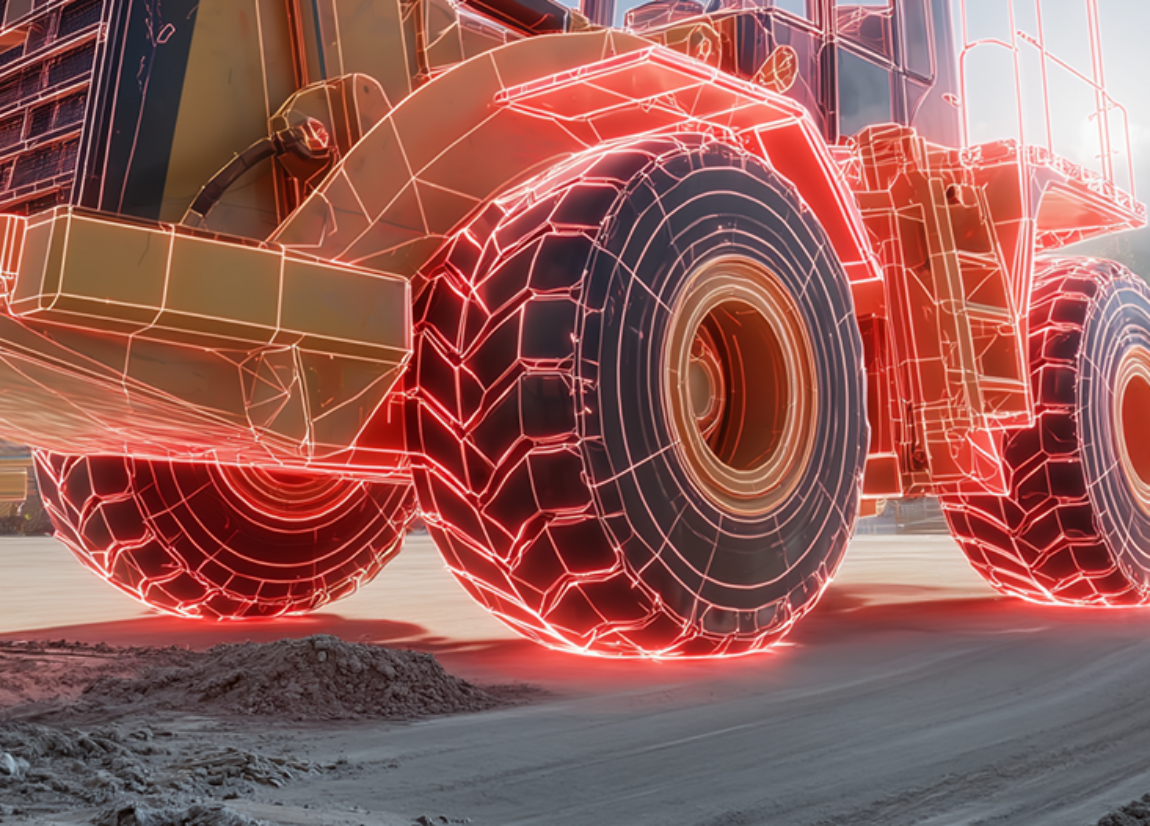
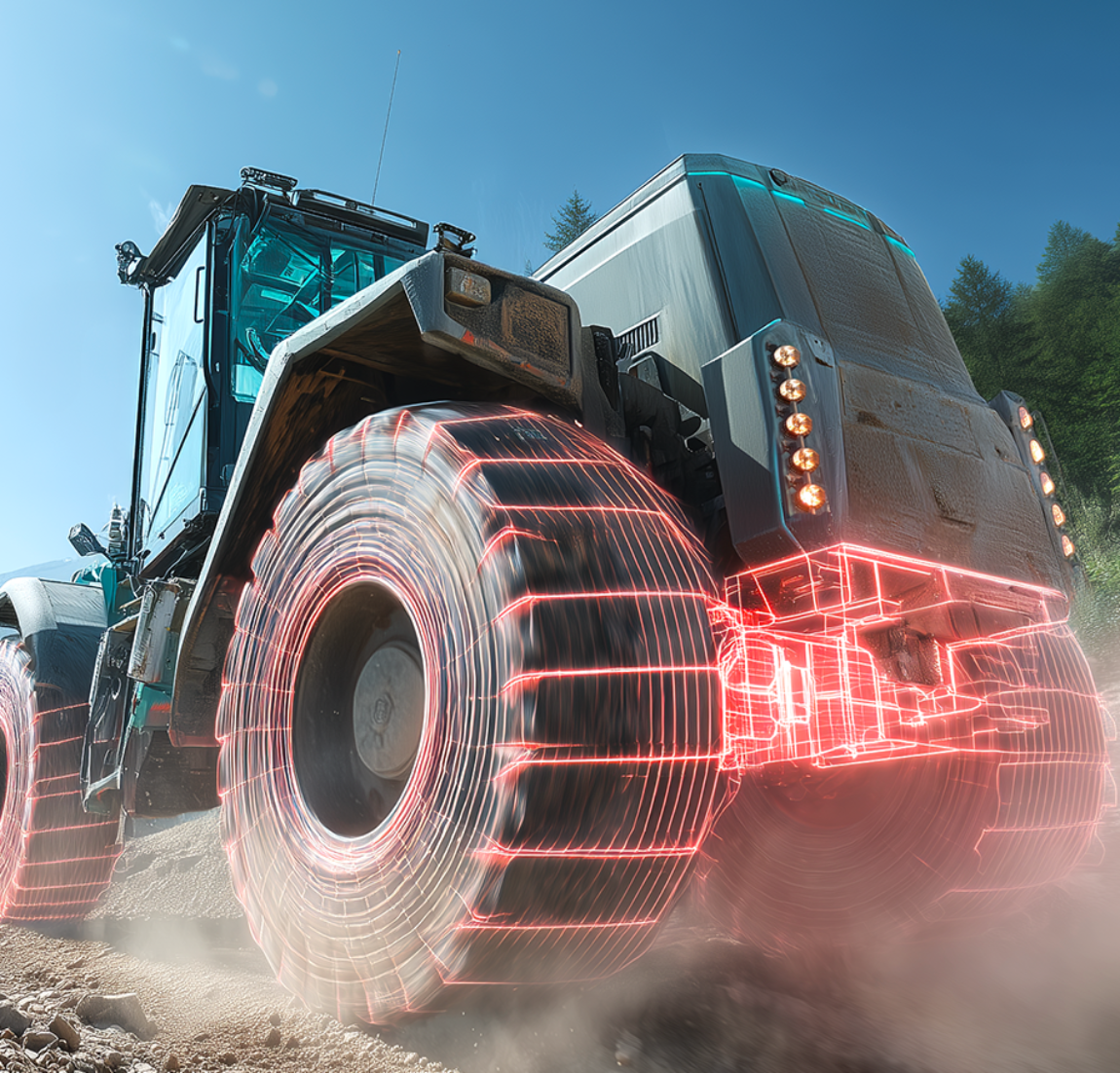
The starting point is not the component, but the dynamic behavior of the machine. By understanding how forces travel through the structure under real operating conditions, we develop vibration solutions that improve the performance of the complete system.
Our approach includes:
- Identifying vibration sources across different operating conditions.
- Analyzing how forces propagate through the machine and interact with connected subsystems.
- Validating system performance under realistic operating conditions before finalizing the solution.
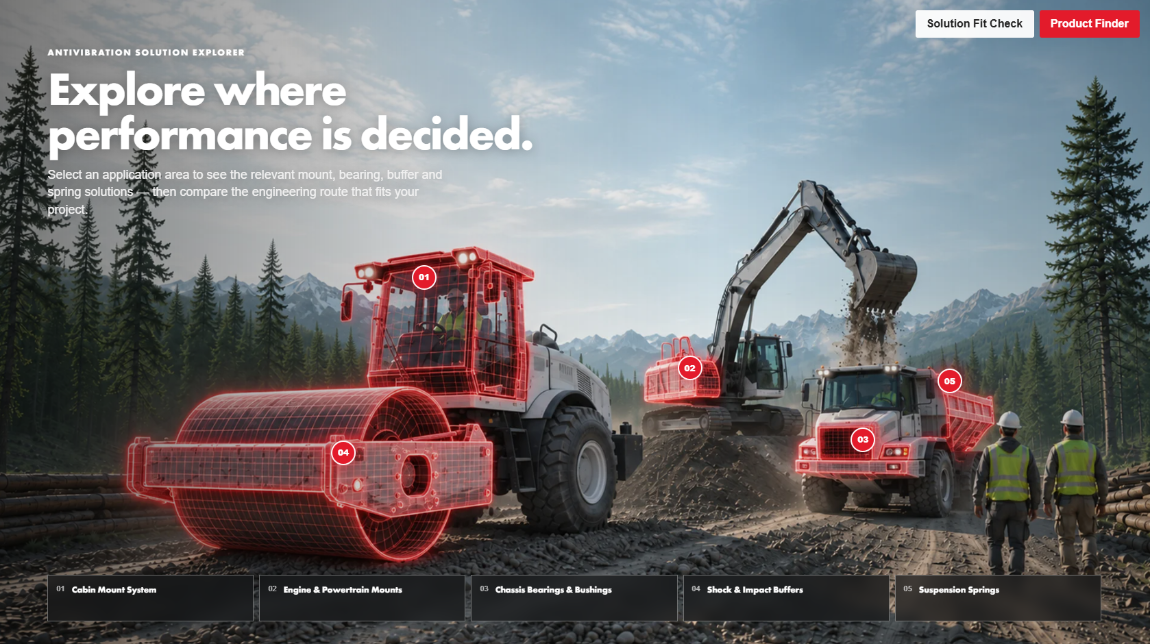
Explore Antivibration Solutions Across the Machine
Customer Insights from Real Engineering Projects

Foire aux questions (FAQ)
Pourquoi les joints tombent-ils en panne pendant le nettoyage CIP/SIP ?
Les produits chimiques de nettoyage agressifs et les températures élevées dégradent de nombreux matériaux élastomères, entraînant un durcissement, dégénérescence chimique, et une perte de force d'étanchéité.
Les joints en PTFE sont-ils adaptés aux applications de transformation alimentaire ?
Oui. Les joints en PTFE peuvent être fabriqués à partir de matériaux conformes aux normes alimentaires. Ils respectent donc les principes de conception hygiénique tout en offrant des performances dynamiques fiables.
Comment les joints en PTFE réduisent-ils le frottement au niveau des arbres rotatifs ou des vérins linéaires ?
Le PTFE a un coefficient de friction intrinsèquement faible, ce qui réduit la génération de chaleur et l'usure au niveau de l'interface d'étanchéité. Les propriétés de faible frottement du matériau d'étanchéité sont particulièrement avantageuses dans les applications impliquant des fluides présentant de mauvaises propriétés tribologiques.
Quelle est la différence entre les joints PTFE à ressort remplis de silicone et les joints PTFE à ressort encapsulés ?
Ils empêchent la formation de films moléculaires sur les wafers, assurant une pureté de processus plus élevée, un rendement constant et moins de temps d’arrêt pour maintenance.
Les joints PTFE sont-ils plus performants que les joints en élastomère ?
Dans les environnements dynamiques, chimiquement agressifs ou à haute température, les joints PTFE offrent généralement une durée de vie plus longue et des performances plus stables.
Related Articles and Downloads


