

In many construction machinery projects, antivibration is only addressed after the main architecture has been defined. As a result, vibration solutions are often reduced to selecting individual components based on parameters such as stiffness or damping, overlooking the complex interactions that only become apparent under real operating conditions.
With Angst+Pfister as their antivibration partner, our customers benefit from:
- System-level engineering
- One global partner
- End-to-end responsibility
Backed by the global expertise, engineering know-how, and production capabilities of the entire Angst+Pfister Group, we solve complex vibration challenges, reduce development risk, and ensure reliable performance from concept through production. Talk to our experts to discover how a system-level antivibration approach improves your machine's performance and accelerates your development process.
What Would You Like to Explore?
Vibration behavior in construction machinery is determined by the interaction of excitation sources, structural properties, load paths, and operating conditions throughout the machine's duty cycle. Evaluating components in isolation cannot capture these complex interactions or predict how vibration will propagate through the system.
At Angst+Pfister, we take a system-level approach to antivibration engineering, helping customers to:
- Find the root cause of vibration, not just the symptoms.
- Optimize machine performance by considering the complete system.
- Reduce development risk with engineering expertise, simulation, testing, and validation.
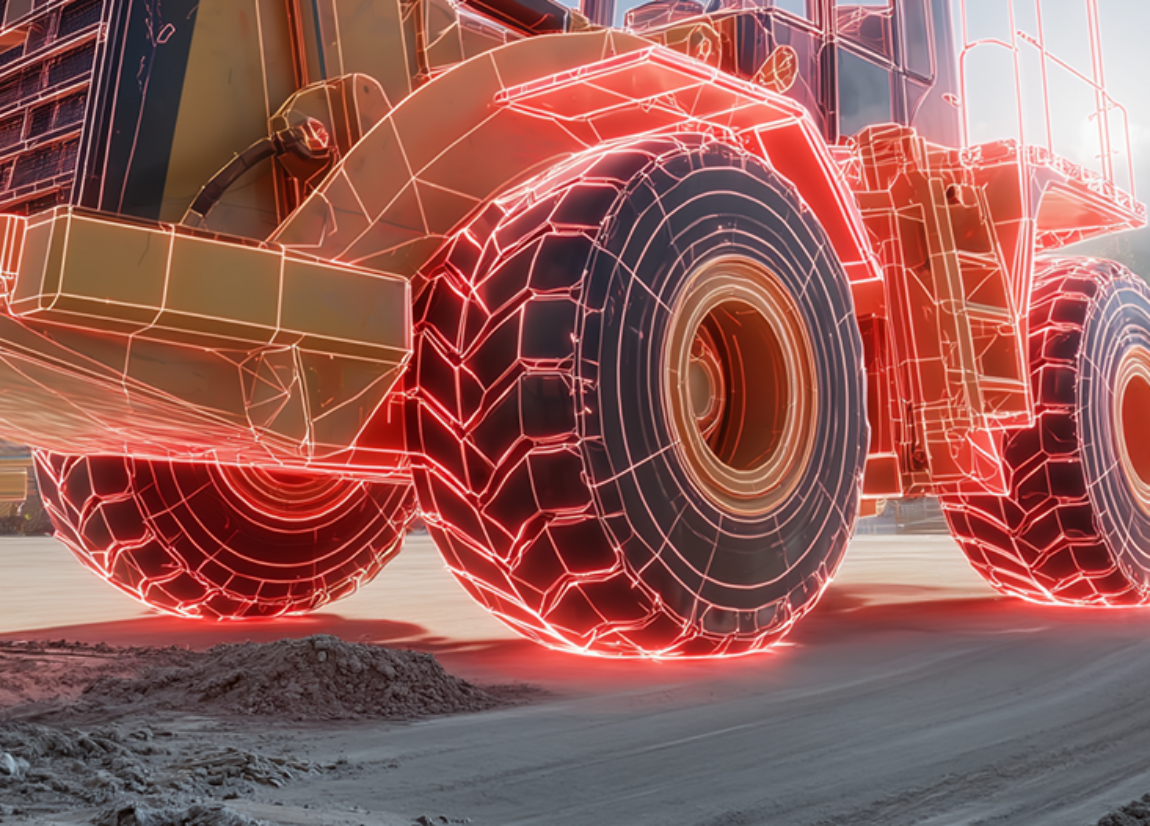
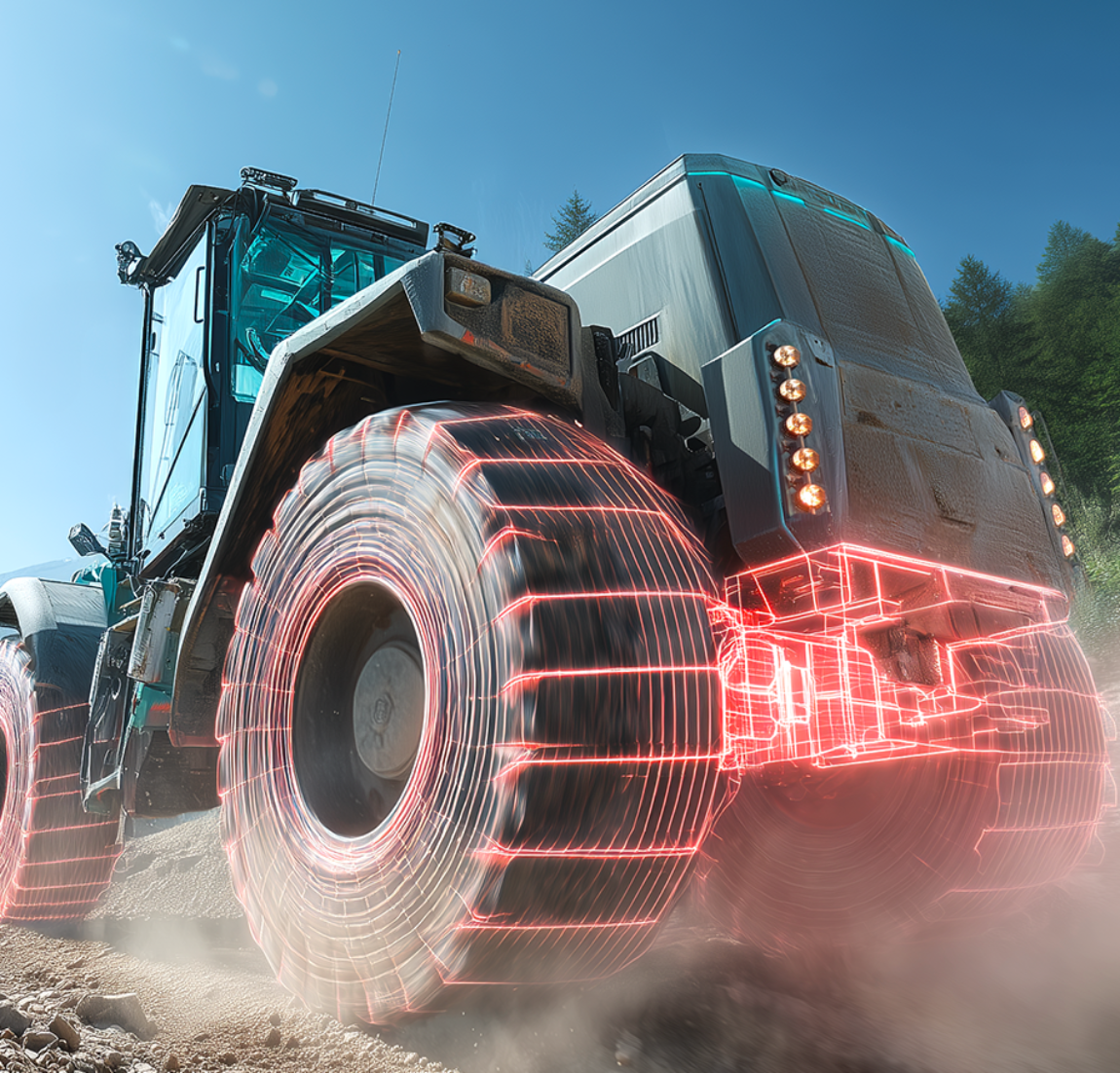
The starting point is not the component, but the dynamic behavior of the machine. By understanding how forces travel through the structure under real operating conditions, we develop vibration solutions that improve the performance of the complete system.
Our approach includes:
- Identifying vibration sources across different operating conditions.
- Analyzing how forces propagate through the machine and interact with connected subsystems.
- Validating system performance under realistic operating conditions before finalizing the solution.
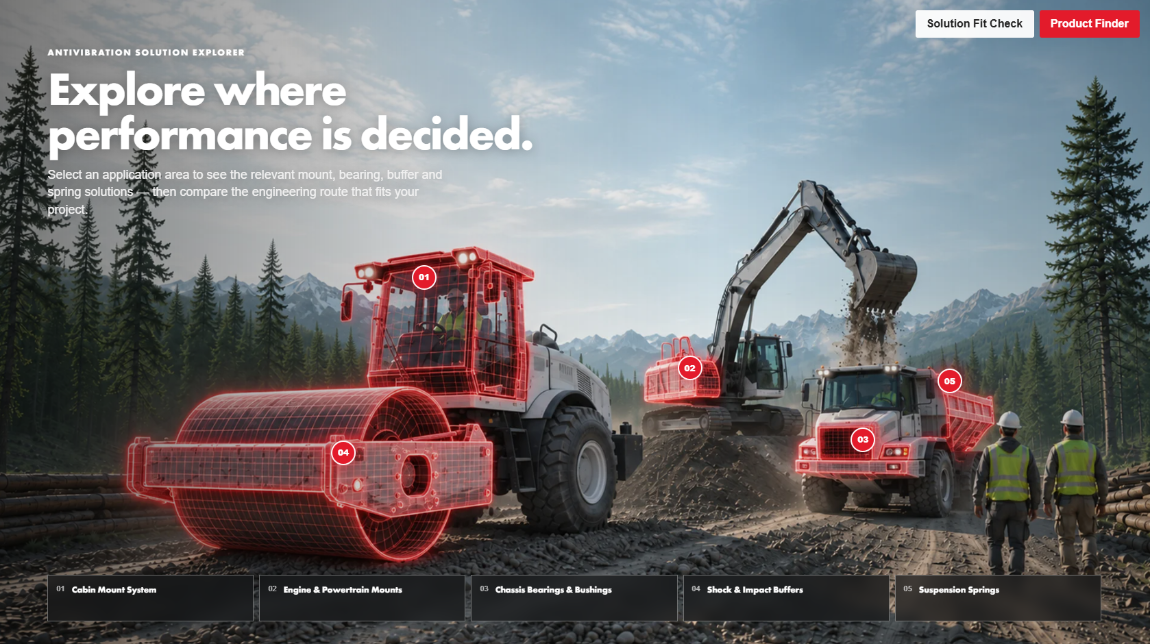
Explore Antivibration Solutions Across the Machine
Customer Insights from Real Engineering Projects

Najczęściej zadawane pytania (FAQ)
Dlaczego uszczelnienia ulegają uszkodzeniu podczas czyszczenia CIP/SIP?
Agresywne środki czyszczące i wysokie temperatury powodują degradację wielu materiałów elastomerowych, co prowadzi do ich twardnienia, chemicznego rozkładu i utraty siły uszczelniającej.
Czy uszczelnienia PTFE nadają się do zastosowań w przetwórstwie spożywczym?
Tak. Uszczelnienia PTFE mogą być produkowane z materiałów zgodnych z normami spożywczymi. W rezultacie uszczelnienia te są zgodne z zasadami higienicznej konstrukcji, zapewniając jednocześnie niezawodną wydajność dynamiczną.
W jaki sposób uszczelki z PTFE zmniejszają tarcie w wałach obrotowych lub siłownikach liniowych?
PTFE ma z natury niski współczynnik tarcia, co zmniejsza wytwarzanie ciepła i zużycie na styku uszczelnienia. Niskie tarcie materiału uszczelniającego jest szczególnie korzystne w zastosowaniach związanych z mediami o słabych właściwościach tribologicznych.
Jaka jest różnica między uszczelkami PTFE wypełnionymi silikonem a uszczelkami PTFE z zamkniętą sprężyną?
Konstrukcje wypełnione silikonem zapobiegają przedostawaniu się cząstek, natomiast rozwiązania z całkowicie zamkniętą sprężyną chronią przed ekspozycją na chemikalia podczas CIP/SIP.
Czy uszczelki PTFE działają lepiej niż uszczelki elastomerowe?
W środowiskach dynamicznych, agresywnych chemicznie lub o wysokiej temperaturze uszczelki PTFE zazwyczaj zapewniają dłuższą żywotność i bardziej stabilną wydajność.
Related Articles and Downloads


